Why Posture Matters
Many people worry about their posture. Some fear that bad posture will lead to pain or long-term health problems. Others struggle to maintain a “good” posture, thinking they must always sit or stand in a perfect position. However, recent research challenges traditional ideas about posture. The truth is, no single “perfect” posture exists.
- Why Posture Matters
- What You’ll Learn in This Guide
- Understanding Posture: It’s Always Changing
- Optimizing Posture: Why the Pelvic Girdle Matters
- Common Postural Issues and How to Fix Them
- The Best Approach: Keep Moving
- Conclusion: Focus on Comfort and Movement
What You’ll Learn in This Guide
By reading this, you’ll understand:
- The different types of posture and how they function.
- Why posture is more dynamic than static.
- How to optimize posture for comfort and movement.
- Simple ways to improve posture without stress.
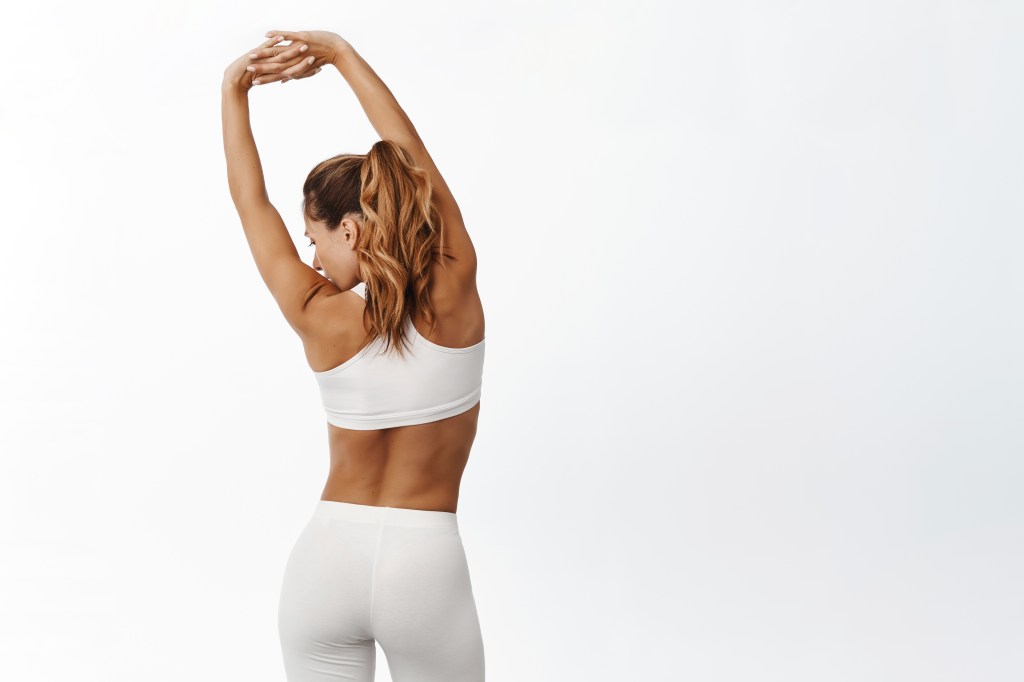
Understanding Posture: It’s Always Changing
Posture is not just about sitting up straight or standing tall. It constantly adapts to what we do. Even when we seem still, our muscles make tiny adjustments to keep us stable.
There are two main types of posture:
Inactive Posture
This refers to positions we hold when resting or sleeping. Our muscles do just enough work to keep us breathing and comfortable.
Active Posture
This happens when our muscles work to maintain a position or support movement. Active posture can be:
- Static: Holding a position, like standing, sitting, or kneeling.
- Dynamic: Moving, like walking, running, or jumping.
The Myth of “Good” and “Bad” Posture
Many people believe bad posture causes pain, but studies do not support this. No direct link exists between posture and pain, even in teenagers. Instead of chasing a perfect posture, experts recommend postural variability—changing positions often.
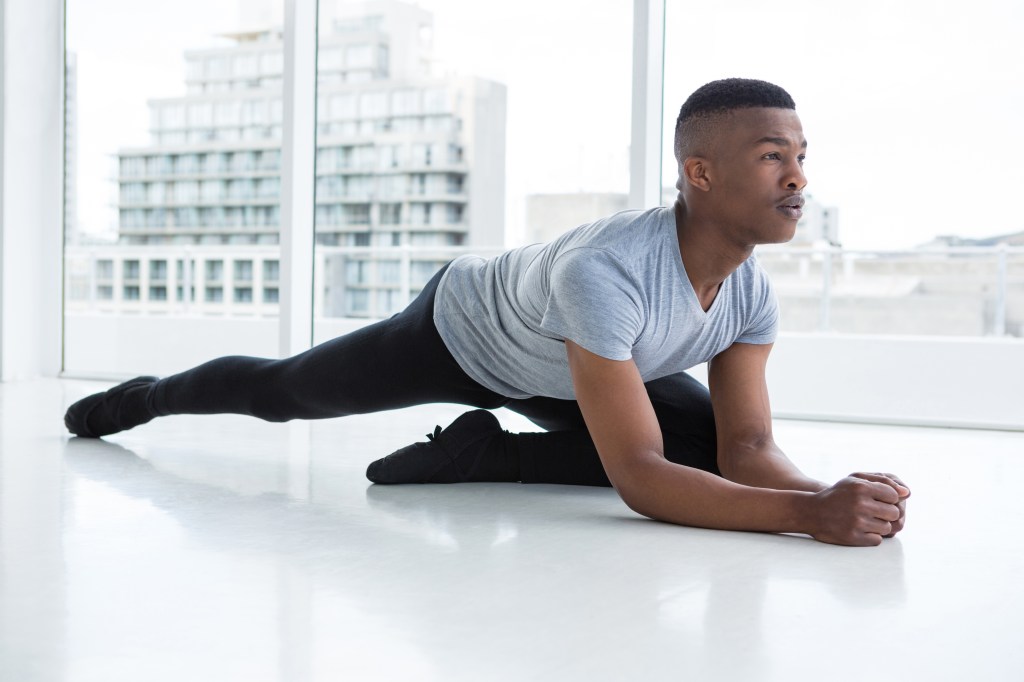
Optimizing Posture: Why the Pelvic Girdle Matters
The pelvic girdle is central to posture. It connects the spine to the legs and helps balance the body. If the pelvis is uneven, it can cause imbalances in the spine and muscles. Some common causes include:
Leg Length Discrepancy
If one leg is longer than the other, the pelvis tilts unevenly. This affects standing and walking posture.
Piriformis Syndrome
The piriformis muscle stabilizes the pelvis. When it becomes too tight, it pulls the pelvis out of alignment.
Tight Adductor Muscles
These muscles pull the pelvis sideways, leading to an imbalanced posture.
Asymmetrical Postures
Standing with more weight on one leg can cause muscle imbalances over time. A common example is the “Statue of David” posture:
- One leg rotates outward, weakening internal rotators.
- The other leg rotates inward, weakening external rotators.
Common Postural Issues and How to Fix Them
1. Lordotic Posture
What it looks like: Exaggerated inward curve of the lower spine, with an arched lower back and tilted pelvis.
Common causes: Weak abdominal muscles, tight lower back and hip flexors.
How to improve it: Strengthen core muscles and stretch the lower back and hip flexors.
2. Sway Back Posture
What it looks like: Slouched upper body with hips pushed forward.
Common causes: Weak core and hip flexors, tight hip extensors.
How to improve it: Strengthen the core and mid-back muscles, stretch tight hip muscles.
3. Flat-Back Posture
What it looks like: A straight, stiff lower back with little curve.
Common causes: Weak hip flexors, tight hip extensors.
How to improve it: Strengthen hip flexors and core muscles, stretch the back and hip extensors.
4. Forward Head Posture
What it looks like: Head juts forward with a protruding chin.
Common causes: Weak neck and upper back muscles, prolonged screen use.
How to improve it: Strengthen neck and back muscles, adjust screen height.
5. Scoliosis
What it looks like: Sideways curve in the spine.
Common causes: Genetic factors or muscle imbalances.
How to improve it: Seek medical evaluation, use targeted exercises, and consider bracing if severe.
6. Kyphosis
What it looks like: Hunched upper back with rounded shoulders.
Common causes: Weak back muscles, tight chest muscles, poor sitting habits.
How to improve it: Strengthen upper back muscles, stretch chest muscles, improve sitting posture.
The Best Approach: Keep Moving
The best way to maintain healthy posture is to avoid staying in one position for too long. A simple rule to follow is:
“Your next posture is your best posture.”
Here are some easy ways to apply this:
- Change positions often while sitting or standing.
- Take movement breaks every 30-60 minutes.
- Stretch and strengthen muscles to improve flexibility and stability.

Conclusion: Focus on Comfort and Movement
Instead of worrying about “perfect” posture, focus on movement and comfort. Change positions often, strengthen key muscles, and listen to your body. Small adjustments can go a long way in keeping you pain-free and mobile.
By following these simple tips, you can improve your posture without stress or discomfort.








 AT Life