- Introduction
- Understanding ACL Injuries
- Key Recommendations from NATA’s Position Statement
- Implementation Strategies for Athletic Trainers
- Case Study & Real-World Applications
- Conclusion
- BOC Exam Study Guide
Introduction
Anterior cruciate ligament (ACL) injuries are among the most common and devastating injuries in sports, often requiring surgical intervention and extensive rehabilitation. Given their long-term impact, preventing ACL injuries is a critical priority for athletic trainers. The National Athletic Trainers’ Association (NATA) Position Statement on ACL Injury Prevention provides evidence-based guidelines to reduce the risk of noncontact and indirect-contact ACL injuries through neuromuscular training programs.
For students preparing for the BOC exam, understanding ACL injury mechanisms and prevention strategies is essential. This guide will break down the biomechanics of ACL injuries, NATA’s key recommendations, and practical implementation strategies to ensure exam success and enhanced athlete safety.

Understanding ACL Injuries
Function and Importance of the ACL
- The ACL stabilizes the knee joint, preventing excessive forward movement of the tibia relative to the femur.
- Plays a crucial role in cutting, pivoting, and landing movements.
Mechanisms of ACL Injuries
- Noncontact (most common):
- Sudden deceleration, pivoting, or improper landing mechanics.
- Excessive knee valgus and poor neuromuscular control.
- Indirect Contact:
- Force applied elsewhere in the body leads to altered biomechanics, increasing stress on the ACL.
- Contact Injuries:
- Direct trauma to the knee resulting in ACL rupture.
Epidemiology and Risk Factors
- Higher risk in female athletes due to anatomical, hormonal, and biomechanical factors.
- High-risk sports: Basketball, soccer, football, volleyball.
- Modifiable risk factors:
- Poor movement mechanics.
- Muscle imbalances (quadriceps dominance over hamstrings).
- Limited neuromuscular control.
Key Recommendations from NATA’s Position Statement
Multicomponent Neuromuscular Training Programs
To effectively reduce ACL injury risk, training programs should include at least three of the following components:
- Strength Training:
- Focus on lower extremity and core stabilization.
- Target hamstrings, glutes, and quadriceps for proper muscle activation.
- Plyometrics:
- Emphasize proper landing mechanics to minimize impact forces.
- Reinforce soft landings with knees aligned over toes.
- Agility Drills:
- Enhance body control during cutting and pivoting movements.
- Balance and Proprioception Exercises:
- Improve single-leg stability to reduce knee stress.
- Flexibility Training:
- Maintain optimal muscle length to support proper biomechanics.
Implementation Strategies for Athletic Trainers
Preseason and In-Season Integration
- Training should be performed 2-3 times per week for effectiveness.
- Programs should be progressive in intensity and duration.
Coaching Proper Movement Mechanics
- Provide real-time feedback on landing, cutting, and deceleration.
- Cue athletes to “land softly,” “engage core,” and “keep knees aligned.”
Equipment Considerations
- Footwear selection: Ensure proper traction and knee alignment.
- Knee Braces: Research is inconclusive on their effectiveness in ACL prevention.
Target Populations
- Female athletes (highest priority due to increased risk).
- Athletes with previous ACL injuries (high reinjury rate).
- Youth athletes (early intervention improves long-term outcomes).
Case Study & Real-World Applications
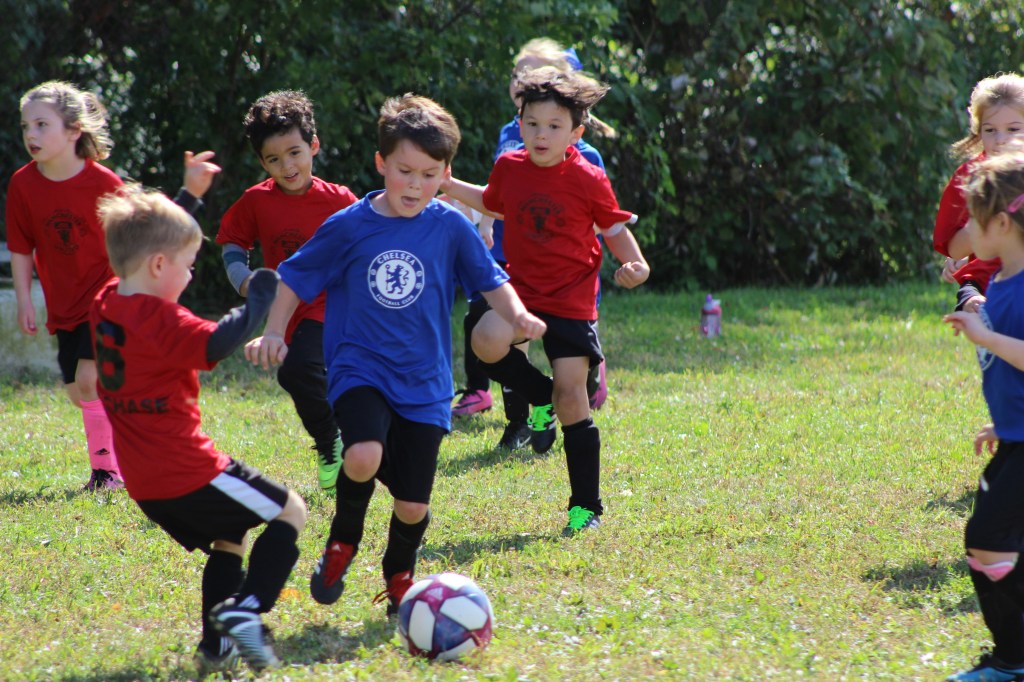
Case Study 1: High School Soccer Team Implementing an ACL Prevention Program
- Incorporated neuromuscular training exercises into warm-ups.
- Observed a significant reduction in ACL injuries over two seasons.
Case Study 2: Collegiate Female Basketball Team and Risk Mitigation
- Athletic trainer introduced corrective exercises for high-risk movement patterns.
- Reduced ACL injury rates by 40% through biomechanics education and training.
BOC Exam-Style Scenario Question
Scenario: A female soccer player demonstrates excessive knee valgus while landing from a jump. As an athletic trainer, what corrective strategies should you implement?
A) Increase quadriceps strength exclusively.
B) Implement neuromuscular training with plyometrics and hip stability exercises.
C) Recommend knee bracing as the sole intervention.
D) Ignore the issue unless she reports pain.
Answer: B – Neuromuscular training addressing biomechanics is the most effective intervention.
Conclusion
Preventing ACL injuries requires a multifaceted approach that integrates strength, plyometrics, agility, balance, and flexibility training. Athletic trainers play a vital role in implementing these programs and educating athletes on proper biomechanics. Mastering these concepts is not only essential for BOC exam success but also for ensuring the long-term safety and performance of athletes.
Next Steps:
- Review the NATA Position Statement in full.
- Practice answering BOC-style scenario questions.
- Implement ACL prevention strategies in real-world training settings.
BOC Exam Study Guide
Key Terminology
- Proprioception: The body’s ability to sense movement and position.
- Neuromuscular Control: Coordinated muscle activation to stabilize joints.
- Valgus Collapse: Medial knee movement increasing ACL strain.
- Plyometric Training: Exercises focusing on explosive movements and controlled landings.
ACL Injury Risk Factors Chart
| Risk Factor | Modifiable? |
|---|---|
| Poor movement mechanics | Yes |
| Weak hamstrings | Yes |
| High Q-angle (females) | No |
| Previous ACL injury | No |
Sample BOC Exam Questions
- What are the key components of an effective ACL injury prevention program?
- How can an athletic trainer modify an athlete’s biomechanics to reduce ACL injury risk?
- What are two nonmodifiable risk factors for ACL injuries?
Recommended Readings
- NATA Position Statement on ACL Injury Prevention.
- Recent studies on neuromuscular training and ACL risk reduction.
This guide provides essential knowledge for BOC exam preparation and real-world application in athletic training. By mastering these strategies, future athletic trainers can prevent ACL injuries and enhance athlete performance.







 AT Life